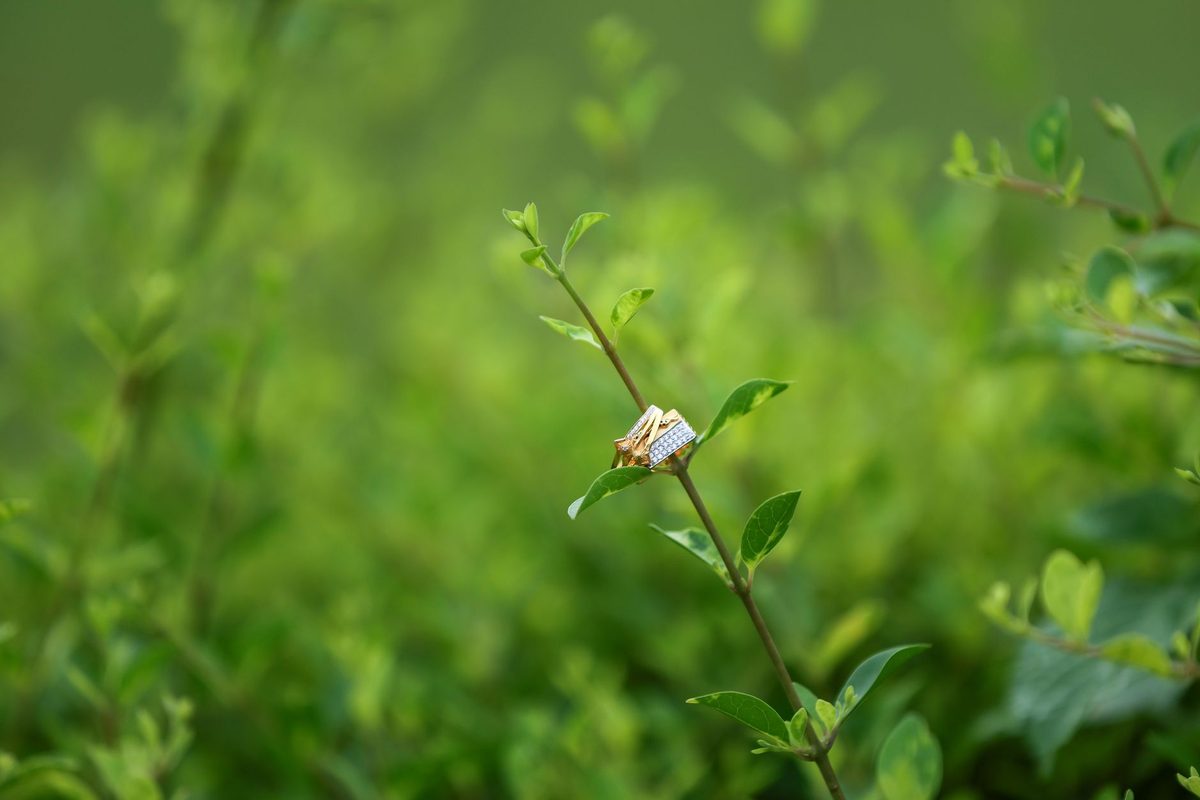
Your ring slips around your finger, catches at the knuckle or has stayed in its box because it no longer fits. You want to wear it again without losing the engraving, changing the setting or turning a modest adjustment into a reconstruction project.
A jeweler needs to inspect the whole ring before promising a size change. This guide explains what affects feasibility, how to compare alternatives and what to check when collecting the piece. Our metal construction guide helps identify why a gold-coloured finish does not tell the whole story.
1. Establish the fit before choosing a repair
Describe the problem precisely. Does the ring fall off, rotate, pinch during ordinary wear or struggle to pass the knuckle? Those symptoms can call for different solutions. A top-heavy setting can rotate even when the band is close to the right size.
Arrange a fitting with gauges suited to the intended band width. A narrow sizing ring does not reproduce the feel of a wide band. Try the fit at a normal time of day and explain whether it varies with routine conditions. Do not take a single string measurement as a final instruction to cut an heirloom.
Bring rings you normally stack with it. The combined width and profile affect how the set feels. Tell the jeweler whether the ring is for the same finger or a different one and whether easy removal matters for work or daily activities.
If a ring is stuck or causing pain, seek appropriate in-person help instead of forcing it off with tools. A resizing consultation is for a piece you can safely remove and hand over. Do not attempt to stretch it at home to solve an immediate fit problem.
2. Inspect metal, construction and stones together
Plain solid precious-metal bands often provide a workable area for alteration. The exact alloy, thickness and previous work still matter. A thin, worn or hollow band can need strengthening before its size changes, and decorative patterns can limit where a join is acceptable.
Stone-set rings require extra assessment. The jeweler needs to consider settings, treatments, heat sensitivity and how the proposed change affects stone positions. Our gemstone directory distinguishes materials, but hardness alone does not decide whether a ring tolerates repair.
GIA's platinum stretching benchmark specifically warns against stretching stone-set bands because the metal around stones can weaken. That guidance concerns a particular method, not a statement that every platinum ring is unalterable.
Plated or gold-filled pieces need attention to the surface and underlying construction. Cutting, joining or polishing can affect the finish. Ask whether refinishing is possible, included and sensible relative to the piece's value. Do not assume a fresh gold surface makes the underlying repair suitable.
3. Compare the feasible options
A full eternity band has stones around the entire circumference, so there may be no plain sizing section. Changing its geometry can affect the repeating settings. Avoid both blanket promises and blanket impossibility claims: the maker or specialist should explain what that particular ring permits.
| Ring or fit issue | Option to discuss | Main constraint | Question before approval |
|---|---|---|---|
| Plain solid band | Conventional resizing or a suitable specialist method | Alloy, thickness and amount of change | Will the profile and strength be preserved? |
| Stones over part of the band | Alteration in the plain section | Setting geometry and stone condition | Which stones need checking or removal? |
| Full eternity or continuous pattern | Maker assessment, reconstruction or exchange | No ordinary plain sizing area | Will the design change and where? |
| Loose ring with larger knuckle | Sizing beads or an internal fit adjustment | Comfort and passage over the knuckle | Can I try the proposed fit approach? |
| Plated, hollow or unusual metal ring | Specialist assessment or replacement | Construction and refinishing limits | Is a sound repair practical for this piece? |
An internal adjustment can help a small fit difference, but it should not become a substitute for correcting a seriously unsuitable size. Replacement may suit an inexpensive fashion ring; the case against it is losing sentimental features that a careful repair could preserve.
Do not approve work from a material chart alone. A bench jeweler may decline a ring another specialist can repair because their equipment or experience differs. Ask for the reason, and seek a second assessment when the piece warrants it.
4. Request a quote that describes the finished result
Ask the shop to record the current size, intended size, materials, visible condition and agreed work. Photograph the ring and identify engraving, hallmarks or distinctive details before handing it over. Keep the collection receipt and any stone report with your records.
- Have the ring measured and inspected with its intended wearing arrangement.
- Discuss the smallest practical change and any fit-adjustment alternative.
- Ask how stones, surface finish and engraving will be protected or affected.
- Request an itemised quote for resizing, stone work and refinishing where needed.
- Agree what happens if inspection reveals extra wear or the planned alteration proves unsuitable.
- Ask when the ring will be ready and what final setting checks are included.
For planning, a straightforward precious-metal resize typically needs a CAD 80-250 allowance; more involved work typically needs CAD 250-600 or a separate specialist quote. These are editorial budgeting ranges, not published shop prices. Stone removal, rebuilding and decorative restoration can change the scope substantially.
Ask the original maker about service before using an independent shop when the ring is branded or has a service agreement. That route may preserve maker knowledge, but the case against it can be a longer turnaround or fewer alteration options. Compare the proposed result, not only the fee.
5. Check the ring before returning to daily wear
At collection, try the ring with the same stack and discuss comfort, removal and rotation. Look at the profile, surface and preserved details under good light. Ask the jeweler to confirm that settings were checked after the alteration; a smooth band alone is not the whole acceptance test.
Do not keep wearing a ring that suddenly catches, has a sharp edge or appears to have a moving stone. Return it for inspection. Our everyday-wear guide explains why a durable stone still needs protection from impacts and unsuitable activities.
Store the receipt with your piece inventory and update its recorded size. Keep the ring separately in a soft compartment as described in our jewelry storage guide. A successful alteration should restore comfortable use while preserving a structurally sound piece, with any design compromises agreed in advance.
— Simply Jems Editorial Studio, Canadian artisan roots since 2014.
Frequently Asked Questions
Can every gold ring be resized?
No: gold is only one part of the decision. Stone placement, hollow construction, previous repairs and the amount of change can make a particular ring unsuitable.
Can a full eternity ring be made bigger?
Sometimes a specialist can propose reconstruction, but it is not an ordinary resizing job. Ask the original maker about feasible changes or an exchange before assuming the continuous stone setting can be altered.
Will sizing beads fix a ring that spins?
They can help some fit problems, particularly when the knuckle and finger base need different clearances. A jeweler should check comfort and removal rather than using them to compensate for every loose ring.